Scientific Council
The Scientific Council comprises distinguished clinicians in neurosurgery, neurology, and cardiology, who serve five-year terms.
The Scientific Council advises on research grants, the convening of conferences, and the fostering of collaborations with domestic and international health institutions, including universities, hospitals, and research centers.
It also outlines the Institute’s annual scientific agenda and makes recommendations on the establishment and awarding of scholarships.
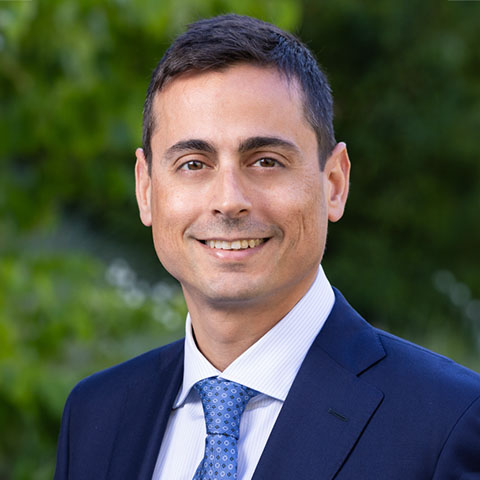
Dr. Spyros Karadimas

Spyridon Karadimas, MD, PhD, is Assistant Professor of Neurosurgery at Stanford University School of Medicine and a cerebrovascular neurosurgeon and physician-scientist at Stanford Health Care. He is fellowship-trained in open cerebrovascular, skull base, and endovascular neurosurgery, with expertise in the treatment of complex cerebrovascular diseases, including brain aneurysms, arteriovenous malformations, Moyamoya disease, and stroke.
Dr. Karadimas earned his medical degree from the National and Kapodistrian University of Athens and holds PhDs from the University of Patras and the University of Toronto. He completed neurosurgical residency at the University of Toronto, followed by advanced cerebrovascular training in Toronto, Miami, Houston, and Philadelphia.
At Stanford, he leads a basic and translational research program investigating neural circuits, neuroplasticity, and recovery after stroke and cerebrovascular disease. His research has been published in Nature, Nature Neuroscience, and Science Translational Medicine.
Dr. Aristotelis Kalyvas

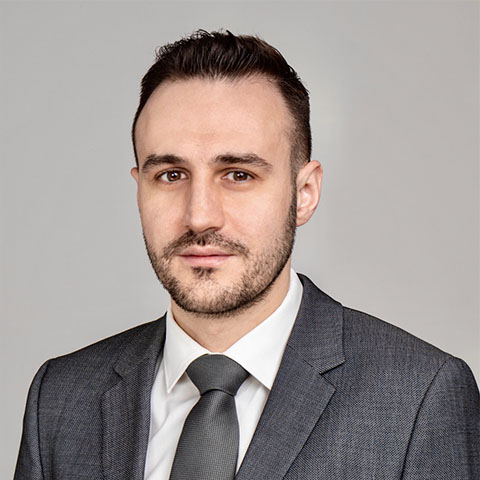
Dr. Aristotelis Kalyvas is Assistant Professor of Neurosurgery at the National and Kapodistrian University of Athens and Consultant Neurosurgeon at Attikon University Hospital, where he directs Pituitary and Skull Base Surgery. His practice combines advanced endoscopic endonasal and microsurgical techniques for pituitary, skull base, and brain tumors.
After training in Athens, he completed a two-year fellowship in Neuro-Oncology and Skull Base Surgery at the University Health Network, University of Toronto. He subsequently joined the University of Toronto as Assistant Professor and attending neurosurgeon, gaining extensive experience in endoscopic pituitary and skull base surgery, brain mapping, stereotactic radiosurgery, and Laser Interstitial Thermal Therapy.
Dr. Kalyvas holds an MSc in Surgical Sciences from the University of Edinburgh and a PhD in Neuroanatomy from the University of Athens. His research bridges structural brain connectivity, brain mapping and innovative approaches to advance safer, more precise brain tumor and skull base surgery. An internationally active educator and course director, he has authored more than 100 PubMed-indexed publications.
Dr. Christopher Kellner

- Associate Professor at Icahn School of Medicine at Mount Sinai
- Director of the Cerebrovascular Center at Mount Sinai
- Chair (2026-2027) of the AANS/CNS Cerebrovascular Section, the leading national cerebrovascular neurosurgery society
- Recipient of the Mount Sinai Distinguished Young Physician of the Year, Cullman Family Award for Provider Communication Excellence, and IME Excellence in Teaching Award
- Co-founder of Mount Sinai’s Enhanced Stroke Recovery Program and Precision Recovery Program
- Director of Mount Sinai’s Intracerebral Hemorrhage Program
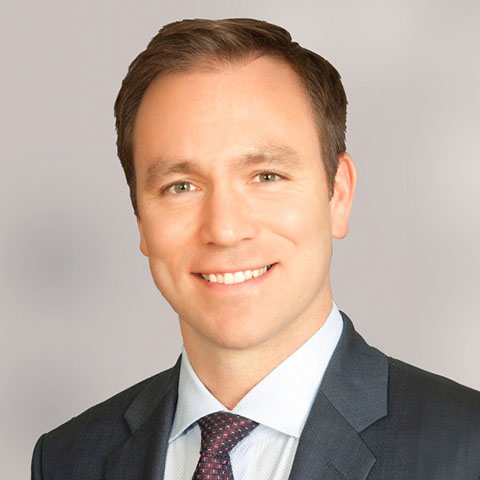
Dr. Kellner is a board-certified neurosurgeon who specializes in advanced research and treatment for patients with cerebrovascular disease. He is an Associate Professor of Neurosurgery at the Icahn School of Medicine at Mount Sinai in New York City and Director of the Cerebrovascular Center. He also serves as Director of the Intracerebral Hemorrhage Program and the Enhanced Stroke Recovery Program at Mount Sinai.
In his clinical practice, Dr. Kellner works alongside a multidisciplinary team of expert clinicians and researchers dedicated to improving and saving the lives of patients with cerebrovascular disorders, including stroke; brain aneurysms; vascular malformations such as arteriovenous malformations, cavernous malformations, and dural arteriovenous fistulas; moyamoya disease; carotid artery stenosis; chronic subdural hematomas; idiopathic intracranial hypertension; and pulsatile tinnitus.
Working collaboratively with colleagues, Dr. Kellner developed a novel, minimally invasive treatment for removing brain hemorrhages called the SCUBA technique, which many centers around the world are now using. He established Mount Sinai’s Enhanced Stroke Recovery Program in collaboration with the Department of Rehabilitation and Human Performance to offer vagus nerve stimulation paired with specialized rehabilitation exercises for patients recovering from stroke. Dr. Kellner is a clinical collaborator at Mount Sinai BioDesign, an advanced medical technology incubator embedded within the Health System that is dedicated to rapid medical device innovation. He is also Co-Founder and Chief Medical Officer of Precision Recovery, Inc, a post-stroke, post-discharge monitoring program that uses a digital health mobile application and care platform to keep patients connected to their care team, help them prevent a second stroke, and maximize their recovery.
Dr. Kellner has received more than a dozen awards recognizing him as a leader in neurosurgery. He has authored more than 230 publications, holds four patents related to neurotechnology, has founded two companies, and obtained more than $4.5 million in grant funding.
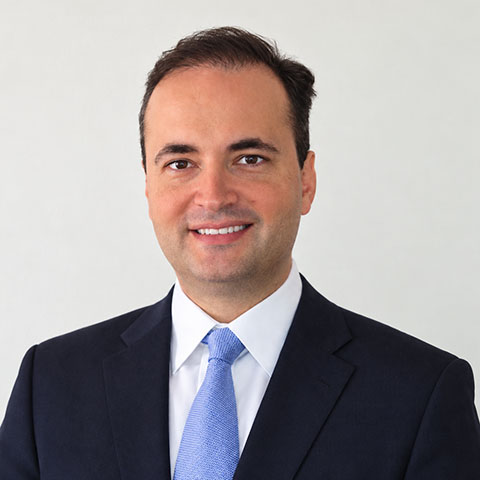
Dr. Konstantinos Margetis

Konstantinos Margetis, MD, PhD, FACS, FRCS, is Associate Professor of Neurosurgery, Orthopedic Surgery, Rehabilitation Medicine and Human Performance at the Icahn School of Medicine at Mount Sinai in New York. He also serves as Director of Complex Spine Surgery at Mount Sinai Hospital and Director of Spine at Mount Sinai Union Square.
Dr. Margetis earned his medical degree from Aristotle University of Thessaloniki, completed neurosurgical residency training at the National and Kapodistrian University of Athens, and pursued fellowship training in Pediatric Neurosurgery at Weill Cornell Medical College and Spine Surgery at Cleveland Clinic.
His clinical and research interests focus on spinal cord injury, complex spine surgery, neurotrauma, and the integration of artificial intelligence and machine learning into neurosurgical practice. He has authored an extensive body of peer-reviewed publications and contributes to several international scientific societies and guideline committees.
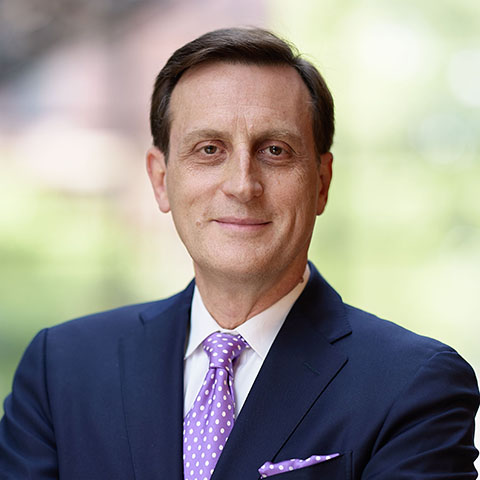
Dr. George Dangas

George D. Dangas, MD, PhD, MACC, MSCAI, is Professor of Medicine (Cardiology) & Surgery (Vascular) at Icahn School of Medicine & the Mount Sinai Hospital in New York, Associate Director of Mount Sinai Heart; Director, Cardiovascular Innovation at Mount Sinai Hospital, NYC and Chief of Cardiology Mount Sinai Queens; Director of Transcatheter Cardiovascular Therapeutics congress (TCT), Interventional Cardiology Principle & Practice Textbook Editor (Wiley Publishers, UK), Chair of ACC Audit & Compliance Committee, and President of the Society for Cardiovascular Angiography & Interventions (SCAI) 2023-24.
After studies at National Kapodistrian University of Athens, served as Medical Officer, Hellenic Navy (including Hyperbaric/Diving Medicine) and then trained in Internal Medicine at Brown University/Miriam Hospital; subsequently he was Fellow in Cardiology and Interventional at Mount Sinai Hospital, New York, NY. Among the 5 founding physicians of Cardiovascular Research Foundation NYC, led establishment of Interventional Fellowship Programs in both Lenox Hill Hospital & Columbia University Medical Center, as well as inaugural Fellows Courses in USA, Europe and India. He is Board certified in all disciplines he practices.
He served as Trustee of American College of Cardiology (ACC) & SCAI, Fellow of European Society of Cardiology (FESC) & the American Heart Association (FAHA), founding chair of ACC Interventional Council/Section, Cardiology Chair at Onassis Heart Center, Immediate Past-Chair of AHA Laennec Society and of AHA Invasive Cardiology Committee, and as JACC Journal Section Editor & Associate Editor among many editorial board participations.
He is designated Master of ACC and Master of SCAI; ACC Distinguished Fellow 2019 & ACC Distinguished Teacher 2017 and is in many Top/Super Doctors & WHOisWHO lists for over 15 years. He holds Professorship in Cardiology at the National Kapodistrian University of Athens, and Adjunct Professorship in Internal Medicine at the Medical University of Vienna, Austria, among other honorary degrees.
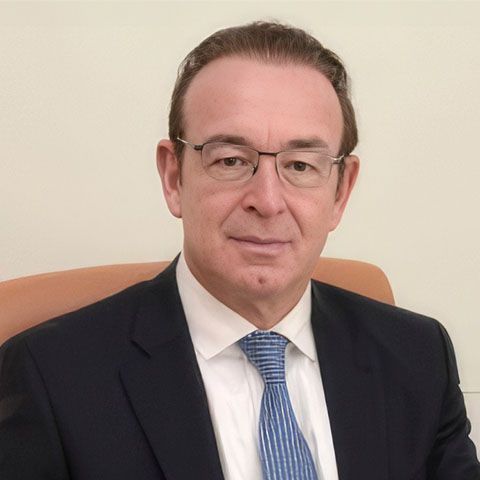
Dr. George Stranjalis

George Stranjalis is a Professor Emeritus of Neurosurgery at the National and Kapodistrian University of Athens, based at the Department of Neurosurgery of Evangelismos Hospital, where he has been working since 1984 and served as Director from 2021 to 2024.
He is the head of the "Professor Petros Kokkalis Hellenic Neurosurgical Research Center", President of the "Hellenic Neuro-Oncology Society (HENOG)" and the founder of the "Athens Microneurosurgery Laboratory". Furthermore, he has made significant contributions to international education and research.
He graduated from the NKUA School of Medicine (1981) and completed his post-graduate training at St George's Hospital Medical School in London (1988), Frenchay Hospital in Bristol (1989–1991), and Massachusetts General Hospital / Harvard Medical School (1991–1992).
He serves as the Chairman of the Stereotactic Radiosurgery Committee of the Supreme Health Council (2019–present) and participates in key committees of the Ministry of Health, including his role as a Neurosurgery Coordinator at the Central Health Council.
He has served as a Treasurer of the Hellenic Neurosurgical Society (2013–2023) and as a Chairman of the Neurosurgery Board Examination Committee (2020–2024).
He is a member of several international scientific societies (EANS, AANS, SBNS), and his research interests focus mainly on Neuro-Oncology, Neuroanatomy, Hydrocephalus, and Neurotraumatology.
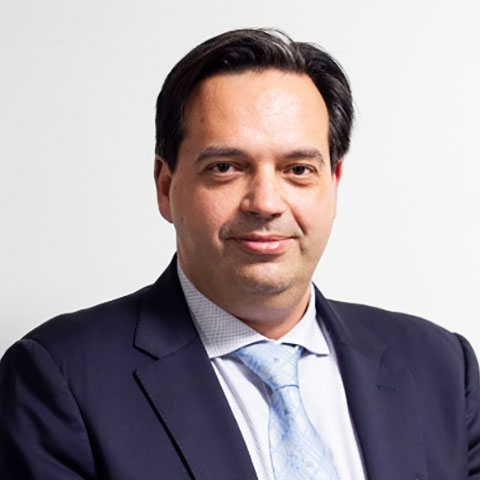
Dr. Georgios Tsivgoulis

Dr. Georgios Tsivgoulis graduated with honors from the School of Medicine of Aristotelion University of Thessaloniki (1993-1999). He completed his residency in the First Department of Neurology of National & Kapodistrian University of Athens (2001-2005). He completed his PhD with honors in the School of Medicine of National & Kapodistrian University of Athens (2002-2005). He completed a two- year Stroke/Neurosonology Fellowship in the Department of Neurology of the University of Alabama at Birmingham (2006-2007).
He currently serves as Professor of Neurology (2018-) and Chairman (2020-) in the Second Department of Neurology in National & Kapodistrian University of Athens, School of Medicine. He is also the Director of Neurosonology Laboratory, the Director of Resident Training and Cerebrovascular Fellowship Program in his Department. Dr. Tsivgoulis was also a Visiting Professor of Neurology, in the Department of Neurology in The University of Tennessee Health Science Center, Memphis, TN (2015-2023).
He is a Fellow of the European Stroke Organization (ESO), European Academy of Neurology (EAN) and American Academy of Neurology (AAN). His research interests focus on acute reperfusion therapies in acute ischemic stroke, applications of neurosonology in cerebrovascular diseases, secondary stroke prevention, clinical trial methodology and application of meta-analyses on stroke therapeutics. Dr. Tsivgoulis has served as the Vice-President of the European Stroke Organization (ESO) during 2020-2024.
He currently serves as the Chairman of ESO Guideline Board and has also served in the ESO Education Committee. He has served in the International Stroke Conference Scientific Program Committee as well as the European Stroke Organization Conference (ESOC) Planning Group and ESOC 2020 educational committee.
He was a member of the writing group of ESO Stroke Action Plan 2018- 2030 and ESO guidelines for intravenous thrombolysis, acute blood pressure management, Mobile Stroke Units & bridging therapy (vs. direct Mechanical Thrombectomy) for Large Vessel Occlusions.
He was a member of the writing group of American Society of Neuroimaging Guidelines on Transcranial Doppler applications in acute stroke. He is an Associate Editor in Therapeutic Advances in Neurological Disorders and a Section Editor for the journal Stroke.
He has served as Associate Editor in Journal of Neuroimaging. He is the Editor of Greek journal Nevrologia and General Secretary of the Hellenic Society of Cerebrovascular Diseases. He currently serves as General Secretary of the Hellenic Neurological Society.
He is also the SITS and ANGELS National Coordinator for Greece. He has served as National Coordinator and International Steering Committee member in multiple Phase II & III randomized- controlled clinical trials (RCTs) in acute stroke and in secondary stroke prevention. He has served as Data Safety and Monitoring Board Chair in three Phase II and two Phase III RCTs.
Dr. Tsivgoulis has authored >950 papers and 26 book chapters. He has acted as Reviewer in >80 International Medical Journals, presented more than 260 invited lectures at international scientific conferences and institutions. His research has received >49,000 citations (Google Scholar) and his H-index is 107 (Google Scholar).
Dr. Tsivgoulis has been the recipient of international awards including the European Stroke Conference Young Investigator Award (2003), American Society of Neuroimaging McKinney Research Award (2007) in Neurosonology, European Stroke Organization Scientific Excellence Award (2021) and competitive grants from both academic institutions and industry.
Dr. Tsivgoulis has served as supervisor and as member of the Evaluation Committee for many (>20) PhD students in the National & Kapodistrian University of Athens and other national or international academic institutions.
Dr. Tsivgoulis is married and has two daughters. He enjoys spending his free time with family at home.
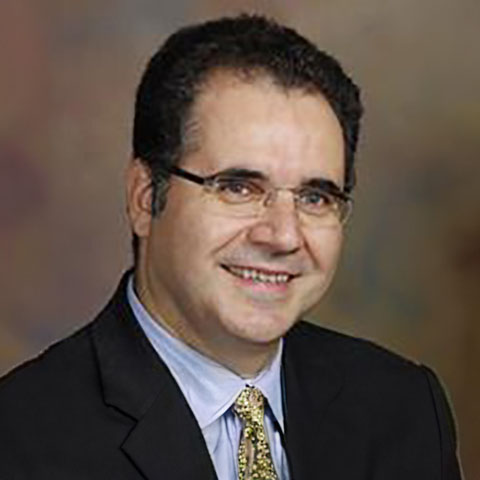
Dr. Stamatios Lerakis

Director, Cardiovascular Imaging Program
Director of Imaging for Structural and Valve Interventions
Director, Fellowship for Advanced Structural Echocardiography, Mount Sinai Health System
Professor of Medicine (Cardiology) and Diagnostic, Molecular and Interventional Radiology Icahn School of Medicine at Mount Sinai
Clinical Interests
- Cardiovascular Multimodality Imaging
- Imaging for Structural Heart Interventions,
- TTE, TEE, CMR, CCT, 4D ICE, PET
Dr. Lerakis joined the Zena and Michael A. Wiener Cardiovascular Institute fulltime faculty on September 1st 2018 in the rank of Professor of Medicine (Cardiology) and Diagnostic, Molecular and Interventional Radiology. He is currently the Director of the Cardiovascular Imaging Program and Imaging for Structural and Valve Interventions for the Mount Sinai Health System, Director of the Advanced Structural Echocardiography Fellowship Program and Acting Director for the CCT and CMR Program for the Mount Sinai Fuster Heart Hospital. He is a recognized multimodality cardiac imager and a national and international expert in imaging for Structural and Valve Interventions.
Dr Lerakis, in collaboration with the NIH has guided the first in humans Transcatheter Mitral Valve Replacement After Transcatheter Electrosurgical Laceration of Alfieri STItCh (ELASTIC), the first in humans Intentional Percutaneous Laceration of the Anterior Mitral Leaflet to Prevent Outflow Obstruction During Transcatheter Mitral Valve Replacement (LAMPOON) and the first in humans single and double Bioprosthetic Aortic Scallop Intentional Laceration to prevent Iatrogenic Coronary Artery obstruction (BASILICA) during Transcatheter Aortic Valve Replacement.
Dr. Lerakis has been in the forefront of Imaging for Structural and Valve Interventions since the beginning and his contributions have been instrumental in the development of this field. Dr. Lerakis is Level 3 trained and certified in all the Cardiovascular Imaging Modalities. He is regularly invited faculty and guest lecturer in multiple national and international conferences, he has been the PI and Co-PI in multiple Structural and Valve trials, he has received multiple Excellence in Teaching Awards and has more than four hundred publications.
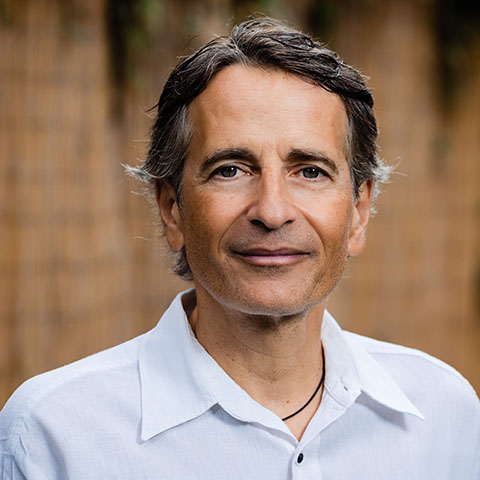
Dr. Nikolaos Scarmeas

Dr Scarmeas was born and raised in Athens Greece. After obtaining an M.D. degree from the National and Kapodistrian University of Athens he moved to the US and had Neurology residency training, a 2-year clinical fellowship in Aging and Dementia and a Masters degree in Biostatistics – Epidemiology at Columbia University Medical Center. He is currently Professor of Neurology at the Medical School of the National and Kapodistrian University of Athens, while he maintains an Academic affiliation with Columbia University in New York.
His research interests include cognitive reserve (i.e. how higher IQ, education, more demanding occupational attainments, or more engagement in cognitive-social-physical leisure - lifestyle activities can help elderly cope better with the damage caused to their brains by Alzheimer’s disease and aging and therefore reduce their risk for dementia and slow down their rates of cognitive and functional decline). In addition, he has a particular interest and has extensively investigated the contribution of diet (in particular composite dietary patterns such as a Mediterranean-type diet and others) in relation to dementias, Alzheimer’s disease, cognitive and other aspects of aging. His investigations have included potential clinical and biomechanistic effects of diet in blood, CSF and the microbiome.